Smart Box Analogue Sensor Types
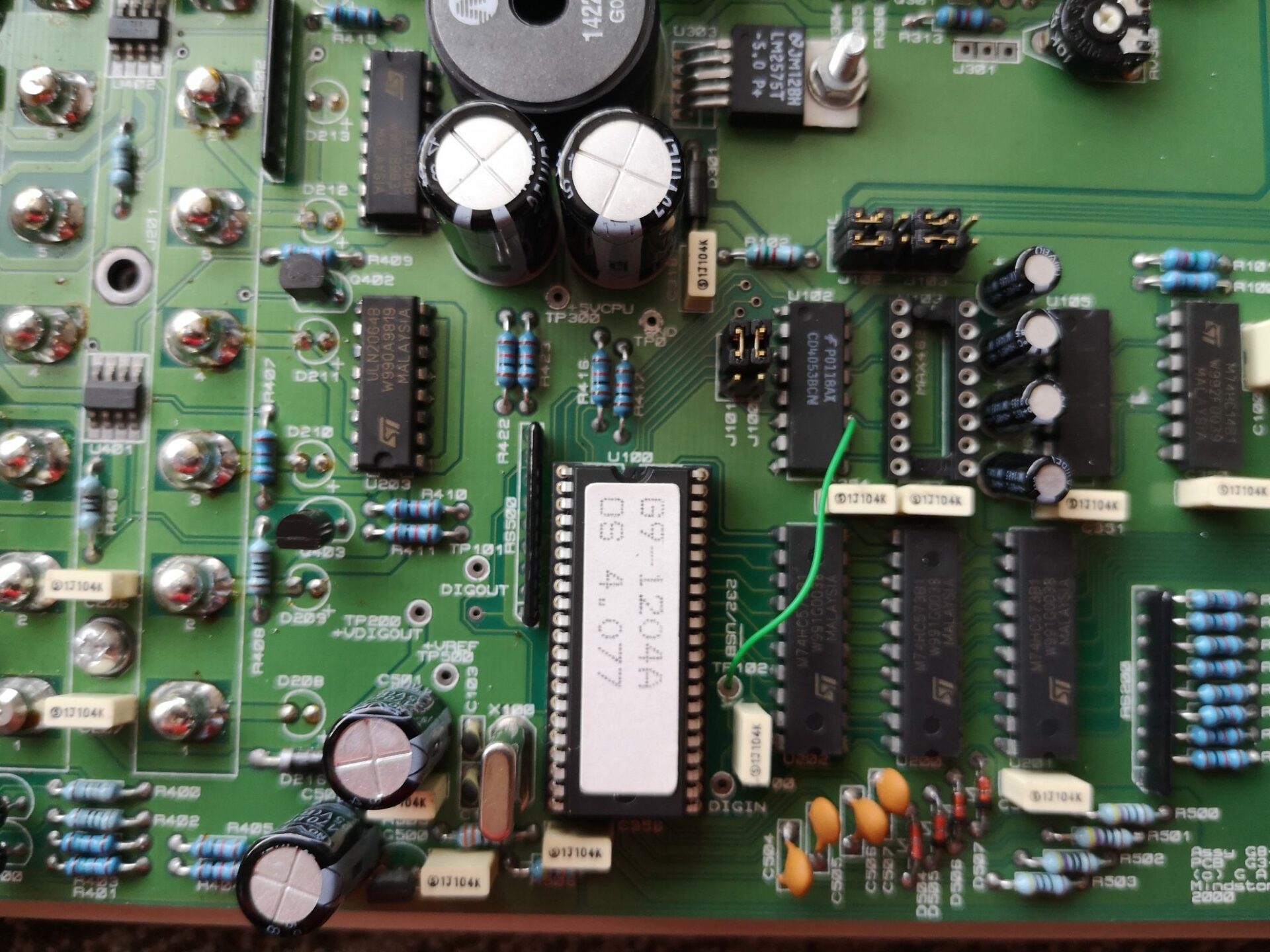
Based on the responses from the “ReadSensorTable” command in my Economatics Smart Box SB-04, I’ve concluded that the following official sensor exist :
| Index | Name | Val1 | Val2 | Units |
| 3 | Temp range 1 | Tmp | Temp | degC |
| 4 | Voltage range 1 | V | Volts | mV |
| 5 | Temp range 2 | Tmp | Temp | degC |
| 6 | Voltage range 2 | V | Volts | volts |
| 7 | Temp range 3 | Tmp | Temp | degC |
| 8 | Voltage range 3 | V | Volts | volts |
| 9 | Temp range 4 | Tmp | Temp | degC |
| 10 | Sound (standard) | Snd | Sound | ? |
| 11 | pH | pH | pH | ? |
| 13 | Position | Pos | Postn | deg |
| 17 | Light (standard) | Lt | Light | ? |
| 21 | R’Humidity | Hmd | Humid | %RH |
| 22 | Sound range 1 | Snd | Sound | dbA |
| 23 | Light range 1 | Lt | Light | Lux |
| 24 | Sound range 2 | Snd | Sound | dbA |
| 25 | Light range 2 | Lt | Light | Lux |
| 26 | Barometric Pressure | Atm | Atmos | mBars |
| 27 | Light range 3 | Lt | Light | Lux |
| 28 | User adaptor | UA | User | ? |
| 29 | 0-1 Volt adapator | V | Adapt | ? |
| 30 | Temp (low range) | Tmp | Temp | degC |
| 31 | Light gate | LG | LGate | ? |
| 33 | Temp (standard) | Tmp | Temp | degC |
There is more data being fed back by the box regarding these sensor types, but it is a little bit of a pig to understand as my terminal is reading it as escape characters. I suspect it would be easier to understand if I had some official sensors myself. I suspect that some experimentation is in order! I’ll connect a variable voltage to the detection pin and watch what sensor types the box detects at each voltage. With an ADC connected to my computer I might be able to automate the process… but that is probably more effort than it is worth.